

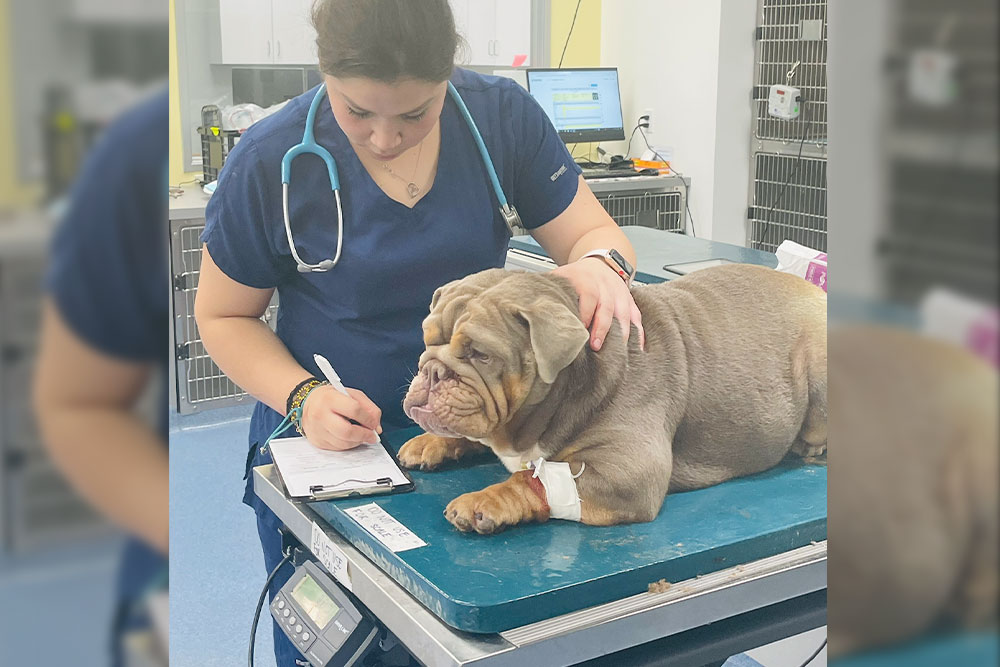
The holidays bring joy, family gatherings, and festive decorations — but for pet owners, they can also bring unexpected trips to the emergency vet. At Corona Animal Emergency Center, your trusted 24/7 emergency vet in Corona, CA, we see a significant spike in pet emergencies every December, especially around Christmas week. Being aware of these common holiday dangers can help you prevent a festive celebration from turning into a
crisis.
Here’s what every pet parent needs to know to keep their furry family members safe this season.
1. Food Dangers During the Holidays
Holiday meals are tempting for pets, but many traditional foods can be harmful—or even deadly.
Turkey & Ham Bones
Cooked bones splinter easily and can cause:
- Choking
- Intestinal blockage
- Perforation requiring emergency surgery
Prevention Tip: Keep bones in a securely closed trash bin, and never give pets leftover carcasses to chew.
Chocolate & Holiday Sweets
Chocolate, brownies, hot cocoa mix, and chocolate-covered nuts are toxic to pets.
- Xylitol (found in sugar-free gum, candies, and baked goods) can cause liver failure and hypoglycemia.
- Signs of toxicity: vomiting, restlessness, tremors, rapid heart rate.
Onions, Garlic, Stuffing, and Rich Foods
Many holiday dishes contain ingredients that can cause life-threatening anemia in pets.
- Fatty foods can also lead to pancreatitis, a painful and serious condition requiring veterinary care.
Alcohol & Rising Dough
Pets may lick alcohol spills or eat raw dough from holiday baking.
- Both can cause dangerous drops in blood sugar, difficulty breathing, and stomach bloating.
2. Decorations That Cause Emergencies
Tinsel, Ribbon, and String
Cats are especially drawn to shiny, stringy items.
- These can cause linear foreign bodies—one of the most serious intestinal emergencies.
- If you suspect ingestion, do not pull visible string. Seek emergency care immediately.
Real Story: Last December, we treated a young Labrador who swallowed 12 inches of holiday ribbon — a life-threatening emergency that required immediate surgery.
Ornaments & Lights
- Broken ornaments can cut paws or be swallowed, causing internal injury.
- Puppies often chew Christmas lights, risking electrical burns or electrocution.
Candles & Wax Warmers
Pets can knock these over, leading to burns or house fires.
3. Toxic Holiday Plants
Several popular Christmas plants are dangerous for pets:
- Poinsettias – mild toxicity; can cause vomiting
- Holly – gastrointestinal irritation
- Mistletoe – heart issues and severe GI symptoms
- Lilies – extremely toxic to cats; even small exposure can cause kidney failure
Tip: Choose pet-safe artificial plants instead. For more information, see our guide to common household toxins.
4. Holiday Guests & Pet Stress
The holidays can overwhelm pets with:
- Loud noises and crowded gatherings
- New smells and strangers
- Changes in routine
Stress can lead to:
- Diarrhea or decreased appetite
- Hiding or aggressive behavior
- Urinary issues in cats
How to help:
- Provide a quiet room with water, a litter box, and toys.
- Stick to regular feeding and walk routines.
- Use calming music or pheromone diffusers.
5. Cold Weather & Outdoor Hazards
Even in Southern California, winter brings risks:
- Antifreeze – sweet-tasting and extremely deadly
- Cold rain or chilly nights for small or short-haired dogs
- Increased coyote activity during the holidays
Prevention: Wipe paws after walks and limit time outdoors in rough weather.
6. Escape Emergencies Are Extremely Common
With guests coming and going, pets can easily slip out unnoticed.
Prevention Tips:
- Use baby gates or keep pets in a closed room during gatherings.
- Ensure microchip info is updated and ID tags are current.
- Remind guests to enter carefully and watch for pets near doors.
When Is It an Emergency?
Bring your pet to an emergency vet immediately if you notice:
- Repeated vomiting or diarrhea
- Ingestion of toxins or foreign objects
- Difficulty breathing
- Bloated or painful abdomen
- Collapse or weakness
- Seizures
- Inability to urinate (especially in male cats)
- No appetite for more than 24 hours
Don’t wait—early treatment can save your pet’s life.
Holiday Safety Tips at a Glance
- Keep food and trash secure
- Avoid giving table scraps
- Keep decorations out of reach
- Choose pet-safe plants
- Provide stress-free spaces for pets
- Supervise kids interacting with pets
- Watch doors closely during parties
- Call an emergency vet if your pet shows concerning symptoms
We’re Here if You Need Us — 24/7
If your pet experiences a holiday emergency, Corona Animal Emergency Center is open 24 hours a day, including Christmas Eve, Christmas Day, and New Year’s.
Call us anytime: (951) 482-5137
We’re here to help keep your pets safe and healthy during this holiday season.
Share This Post to Help Other Pet Parents!
Let’s make this holiday season safe for every furry friend. Tag a pet owner who should see this, and save it for future reference.
Please follow and like us:

Leave A Comment